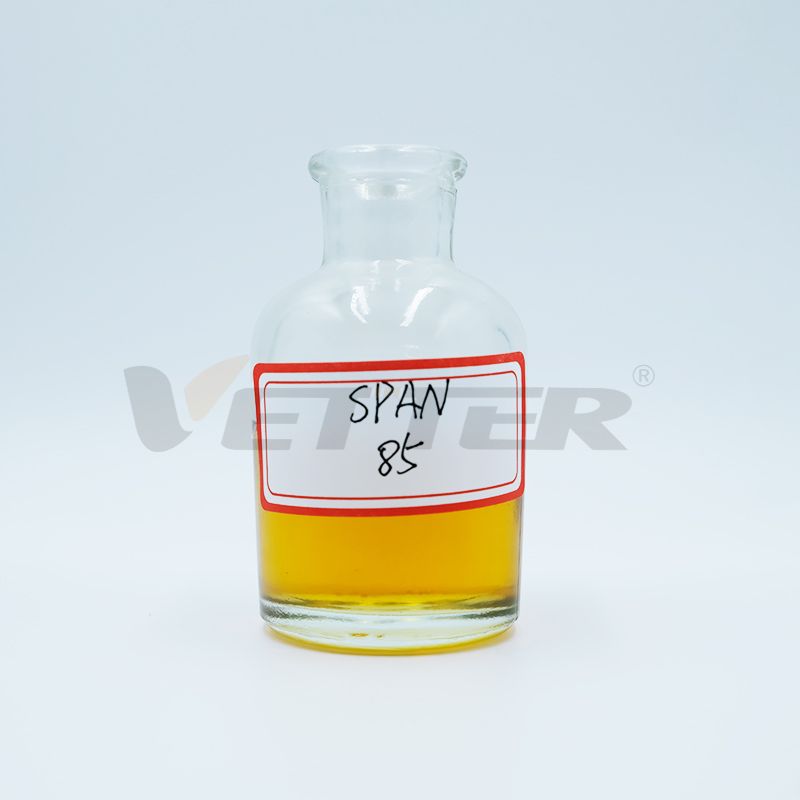
Emulsion explosives are a type of explosive formulation made by dispersing an aqueous solution within an oily phase. They are known for their stability and resistance to water. Common applications include mining and construction.
Emulsifiers are critical in stabilizing the mixture of oils and water in explosives, which enhances their performance and safety. They help prevent separation during production and transportation, thus minimizing risks.
Production risks can include separation of components, unexpected reactions, and safety hazards during handling. Identifying these risks early can mitigate serious incidents.
Different regions have specific safety guidelines for production and handling of emulsion explosives. Understanding local regulations and compliance is essential for ensuring risk-free production.
Choose an emulsifier that suits your specific explosive formulation. Consider factors such as compatibility, temperature stability, and regulatory compliance. Some recommended emulsifiers include:
Ensure all equipment is clean and suitable for the explosive materials. Necessary tools include:
The mixing process should be conducted in controlled conditions:
After mixing, carry out quality control tests to ensure the emulsion's stability and performance. Suggested tests include:
Ensure safe packaging in compliant containers. Considerations include:
Do not underestimate the importance of choosing the right emulsifier as it directly affects the emulsion's stability. Always conduct thorough research and testing.
Always adhere strictly to safety guidelines, as overlooking them can result in dire consequences. Ensure staff are well-trained in handling materials safely.
Skipping quality control procedures can lead to disasters. Make sure every batch meets specified standards before use.
By following the above steps and recommendations, you can significantly reduce production risks associated with emulsion explosives. VETTER provides high-quality emulsifiers designed to enhance safety and performance in explosive formulations. Ensuring the right practices will not only comply with safety regulations but also improve overall operational efficiency.
A: VETTER emulsifiers enhance the stability and performance of emulsion explosives by ensuring proper mixing and preventing separation, which is crucial for safety and operational efficiency.
A: Consider compatibility, temperature stability, and regulatory compliance when selecting an emulsifier. VETTER offers a range of emulsifiers tailored to various explosive formulations.
A: Adhere strictly to local safety guidelines, ensure equipment is appropriately maintained, and train staff in handling materials to reduce production risks.
A: Emulsion explosives should be stored in temperature-controlled environments in compliant containers resistant to chemical reactions, with clear labeling for safety.
A: Conduct visual inspections for phase separation, measure viscosity, and perform stability tests under varied temperature conditions to ensure product integrity.