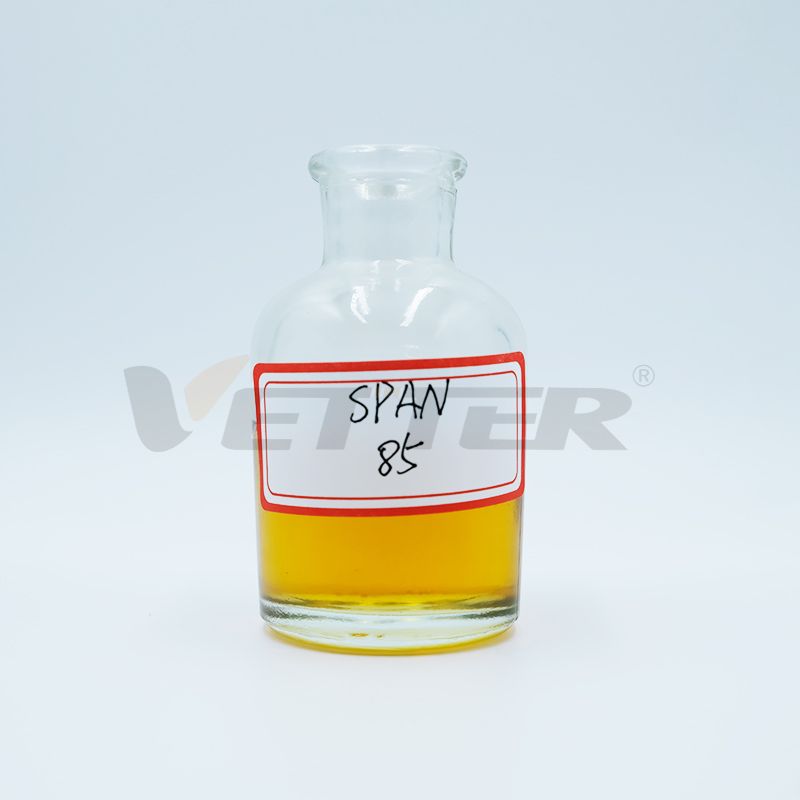
Understanding Emulsion Explosives Emulsifier Testing Methods
The landscape of the explosives industry has evolved significantly over the past few decades, leading to the emergence of advanced methods for producing emulsion explosives. This innovation has been crucial in enhancing safety, stability, and performance in various applications, particularly in construction, mining, and demolition. Emulsion explosives, characterized by their unique emulsifier components, require rigorous testing methods to ensure optimal effectiveness. The significance of reliable Emulsion Explosives Emulsifier Testing Methods cannot be overstated, as they directly impact productivity and safety, addressing pain points related to explosive instability and inconsistent performance.

Emulsion explosives consist of a mixture of water, fuel, and ammonium nitrate. A crucial component of this solution is the emulsifier, which stabilizes the mixture by reducing the surface tension between water and oil. Essentially, emulsifiers are surfactants that allow the formation and maintenance of emulsions by supporting the uniform distribution of ingredients. According to industry definitions, a proper emulsifier is vital as it directly influences factors such as detonation velocity and energy output. Industry reports reveal that effective emulsifiers can improve the stability of emulsions by over 50%, ultimately enhancing safety and performance.
Emulsion explosives are widely utilized across various industries. Major applications include:
These applications illustrate the versatility and critical importance of effective emulsifiers for achieving safety and performance standards across sectors.
The advantages of using emulsion explosives and their emulsifiers are substantial. For instance:
These benefits underscore the essential role of emulsifiers in ensuring that high-quality emulsion explosives perform optimally and safely in various applications.
To deepen your comprehension of Emulsion Explosives Emulsifier Testing Methods, consider consulting detailed user guides or technical documents from leading brands like VETTER. These resources often provide valuable insights into practical applications and the latest testing methodologies. Furthermore, if you're interested in trials, there are several avenues available for obtaining sample emulsifiers or engaging in workshops where you can learn about their use in real-world scenarios.
For a more comprehensive and visually enriched experience, refer to the following illustration demonstrating the mechanism by which emulsifiers enhance emulsion explosive stability:
By understanding and applying these principles, users can adequately navigate the complexities of the industry, ensuring success in various applications involving emulsion explosives and their emulsifiers.
A: The key testing methods for emulsion explosives emulsifiers focus on assessing their stability, performance, and safety characteristics. These methods include evaluating detonation velocity, energy output, and the emulsifier's ability to reduce surface tension in mixtures.
A: The right emulsifier can enhance the stability of emulsion explosives, leading to a failure rate reduction in detonations and increasing detonation velocity by up to 25%. This improvement ensures optimal performance, safety, and efficiency in applications such as mining and construction.
A: When selecting emulsion explosives emulsifiers, consider specifications such as stability under various conditions, compatibility with water and oil phases, and the ability to enhance performance metrics like detonation velocity and energy output.
A: Yes, we offer opportunities for obtaining sample emulsifiers and engaging in workshops where you can learn about their practical applications in real-world scenarios. Contact us for more information.
A: Emulsion explosives provide precise blasting control, improved safety due to decreased sensitivity, and enhanced stability, making them ideal for construction projects where environment and safety are critical.