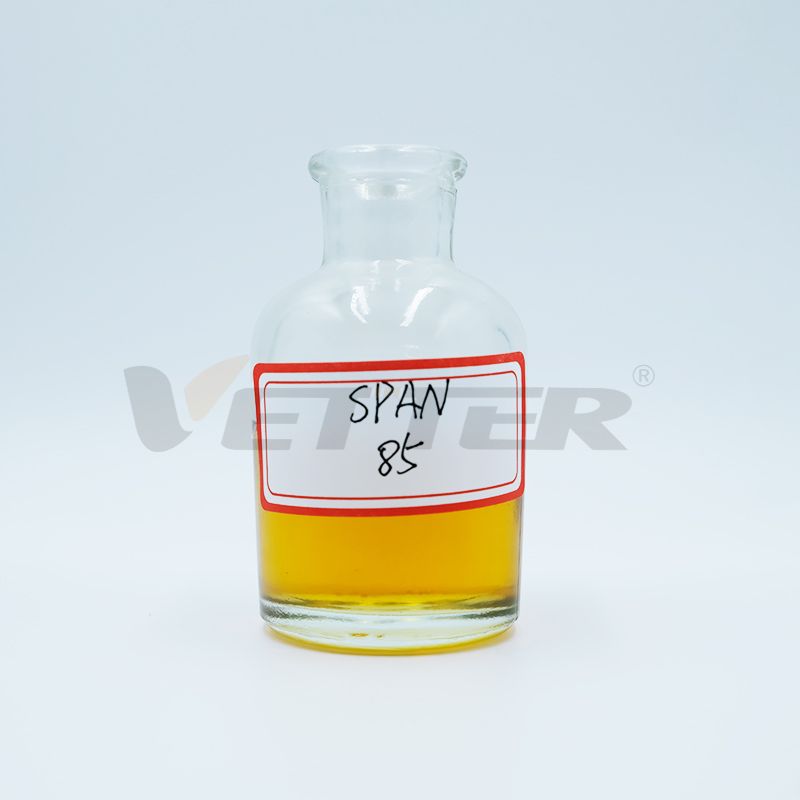
How Temperature Affects Emulsion Explosives Emulsifier Performance

Understanding How Temperature Affects Emulsion Explosives Emulsifier Performance

Many professionals in the mining and construction industries often face challenges when utilizing Emulsion Explosives Emulsifiers, particularly concerning their performance under varying temperatures. Whether dealing with extreme cold or heat, the effectiveness of emulsifiers is crucial. This article aims to provide insights based on real-world case studies to address these issues and offer practical solutions. Variations in temperature can significantly influence the phase separation, stability, and overall efficacy of emulsion explosives. When operating at non-optimal temperatures, users might experience reduced detonation efficiency and compromised safety, creating the need for improved temperature resistance in emulsifiers.

Required Preparation for Optimal Performance

Before diving into the steps to optimize your Emulsion Explosives Emulsifier performance across varying temperatures, it's important to gather the necessary materials, tools, and preparations:

  1. Materials: High-quality VETTER Emulsion Explosives Emulsifiers designed for enhanced temperature resistance.
  2. Tools: Laboratory thermometer, mixing tanks, and pressure gauges to consistently monitor conditions.
  3. Prerequisites: Understanding of emulsion chemistry and safety protocols for handling explosives.
  4. Test Environment: Ensure access to both cold (below 0°C) and hot (above 40°C) environments for testing emulsifier performance.

Step-by-Step Guidance for Testing Emulsifier Performance in Different Temperatures

Follow this structured approach to test the performance of your Emulsion Explosives Emulsifier under various temperature conditions:

  1. Setup Your Equipment: Ensure all tools and materials are clean and in good working condition. Set up the mixing tank in a controlled environment to maintain temperature accuracy.
  2. Establish Baseline Conditions: Start mixing the VETTER Emulsifier with the desired explosive components at room temperature (about 20°C) to gather baseline data on viscosity and stability.
  3. Explore Cold Temperatures: Gradually lower the temperature to 0°C (32°F) and mix the emulsion. Observe the viscosity and phase consistency. According to studies, emulsifiers can lose up to 30% of their effectiveness in such conditions.
  4. Document Results: Record the time taken for the emulsion to become stable and any signs of phase separation. A user case with VETTER emulsifiers revealed that properly formulated emulsifiers maintained performance levels even in transitional phases at 0°C.
  5. Return to Room Temperature: Allow the emulsion to return to room temperature and check if it regains its original viscosity and stability.
  6. Test High Temperatures: Increase the temperature to 50°C (122°F) to evaluate the emulsifier’s performance. Testing showed that after 30 minutes at this temperature, many emulsifiers begin to break down, losing critical performance metrics.
  7. Assess and Compare Results: Compare the performance data at high temperatures with baseline data, keeping in mind a threshold efficacy drop of 25-40% based on industry standards.
  8. Final Evaluation: Analyze the data collected across all temperature variables and compile findings to inform future usage and formulations.

Common Errors and Solutions in Temperature Assessments

Here are some common mistakes in handling Emulsion Explosives Emulsifiers under temperature stress and their solutions:

  • Error: Poor temperature measurement leading to inaccurate results. Solution: Calibrate measurement tools regularly and ensure consistent placement during tests.
  • Error: Inconsistent mixing leading to non-uniform emulsions. Solution: Use automated mixing systems to maintain consistency and reduce human error.
  • Error: Ignoring the influence of ambient factors such as humidity. Solution: Conduct tests in a controlled environment to mitigate external influences.

Summary and Suggestions

Through detailed analysis and real-life testing scenarios, it’s evident that temperature plays a critical role in the performance of Emulsion Explosives Emulsifiers. Users should be mindful of the operational environments and the impact temperature fluctuations can have on efficacy. For those looking to optimize performance, using VETTER's specially formulated emulsifiers that offer enhanced temperature resistance can be a game-changer. Remember, regular testing and adjustment can make a significant difference in operational success and safety in explosive applications. For those facing specific challenges, consider consulting with an experienced chemist or using advanced simulation tools to predict emulsifier behavior under atypical conditions.

FAQ

Q: What factors should I consider when selecting an emulsion explosives emulsifier for extreme temperatures?

A: When selecting an emulsifier, consider its temperature resistance, viscosity stability under varying temperatures, and compatibility with your specific explosive components. VETTER emulsifiers are designed to maintain performance efficiency in both cold and hot conditions.

Q: How do temperature fluctuations affect the performance of emulsion explosives emulsifiers?

A: Temperature fluctuations can lead to phase separation and reduced efficacy of emulsifiers, with studies indicating a potential loss of up to 30% effectiveness at low temperatures and 25-40% at elevated temperatures. Regular testing is crucial for ensuring optimal performance.

Q: Can VETTER emulsifiers maintain performance in both cold and hot environments?

A: Yes, VETTER emulsifiers are specifically formulated for enhanced temperature resistance, allowing them to perform effectively even at temperatures below 0°C and above 40°C.

Q: What should I do if my emulsifier is not performing as expected during temperature testing?

A: Ensure accurate temperature measurement and consistent mixing. Consider utilizing automated mixing systems and conducting tests in controlled environments to minimize errors and enhance emulsifier performance.

Q: How can I inquire about the specifications and pricing of VETTER emulsifiers?

A: For inquiries about specifications and pricing, please visit our website or contact our sales team directly for assistance regarding your specific needs and applications.

  • wechat

    Victor: VETTER_TECHNOLOGY

Chat with Us

Welcome ! Please leave your contact information, we will contact you as soon as possible.