1. The Role of Emulsifiers in Enhancing Phase Stability
1.1 What Are Emulsifiers?
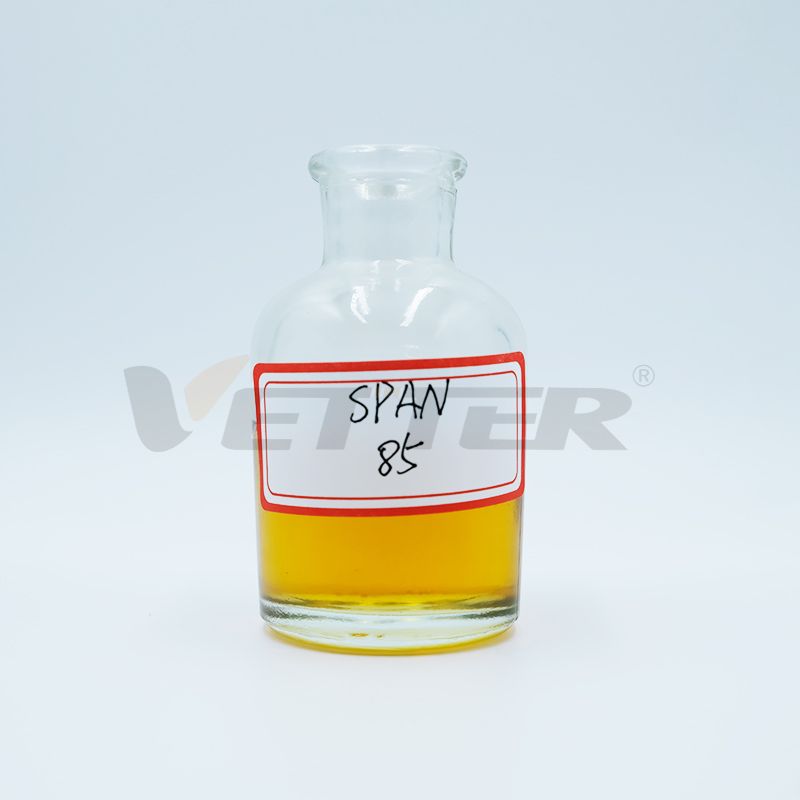
Emulsifiers are substances that help stabilize emulsions by reducing the surface tension between immiscible phases, like oil and water. They create a barrier around droplets, preventing them from coalescing.
1.2 Why Phase Stability Matters in Explosive Emulsions
Phase stability is crucial in explosive emulsions to ensure consistent performance, safe handling, and enhanced sensitivity. Proper emulsifier use can mitigate risks associated with phase separation, leading to safer products.
2. Selecting the Right Emulsifier for Your Needs
2.1 Common Types of Emulsifiers Used in Explosive Emulsions
- Non-ionic emulsifiers
- Anionic emulsifiers
- Cationic emulsifiers
2.2 How to Choose the Right Emulsifier
- Identify the type of explosive emulsion you are working with.
- Evaluate the properties of potential emulsifiers (e.g., HLB value).
- Consider the compatibility of the emulsifier with other formulation ingredients.
3. Step-by-Step Guide to Formulating Stable Explosive Emulsions
3.1 Required Tools and Materials
- High shear mixer
- Thermometer
- Balance for accurate measurements
- Stirring apparatus
3.2 Step-by-Step Emulsion Preparation
- First step: Measure and mix the aqueous and oily phases separately.
- Second step: Heat both phases to the required temperatures, usually between 60-80°C.
- Third step: Slowly add the emulsifier to the oily phase while stirring continuously.
- Fourth step: Gradually combine the heated aqueous phase into the oily phase under high shear mixing.
- Fifth step: Maintain the mixing until a uniform emulsion is formed, typically for 10-20 minutes.
- Final step: Cool the emulsion to room temperature while continuing to stir gently.
4. Common Mistakes to Avoid in Emulsion Formulation
4.1 Overlooking Compatibility of Ingredients
Ensure all components in the formulation are compatible. Incompatibility can lead to instability.
4.2 Ignoring Temperature Control
Failing to properly control the temperatures during mixing can result in phase separation. Always follow specified temperatures accurately.
4.3 Insufficient Mixing Time
Not mixing long enough can prevent a stable emulsion from forming, leading to future separation.
5. Testing and Quality Control of Explosive Emulsions
5.1 Methods for Evaluating Phase Stability
- Visual inspection for separation
- Dynamic light scattering for droplet size analysis
5.2 Final Adjustments Based on Testing Results
Based on test results, you may need to adjust the concentration of emulsifiers or reformulate certain components to achieve desired phase stability.
6. The Advantages of Using VETTER Emulsifiers
6.1 Superior Performance
VETTER emulsifiers offer enhanced stability, ensuring a higher quality explosive emulsion that can perform under various conditions.
6.2 Commitment to Safety and Compliance
VETTER ensures that all emulsifiers meet stringent safety standards, providing peace of mind during handling and usage.
Practical Benefits in Field Applications
By reducing phase separation, emulsifiers enable:
- Longer storage life of bulk and packaged explosives
- Consistent detonation velocity (VOD)
- Improved safety during transport and handling
- Reliable performance in wet and harsh environments
These benefits are critical for mining, tunneling, and quarrying operations where consistency and safety are non-negotiable.
7. Conclusion: The Importance of Emulsion Stability in Explosive Applications
In conclusion, understanding the role of emulsifiers in reducing phase separation is essential for formulating stable explosive emulsions. By carefully selecting and applying the right emulsifiers, such as those from VETTER, manufacturers can enhance safety and performance in their products.