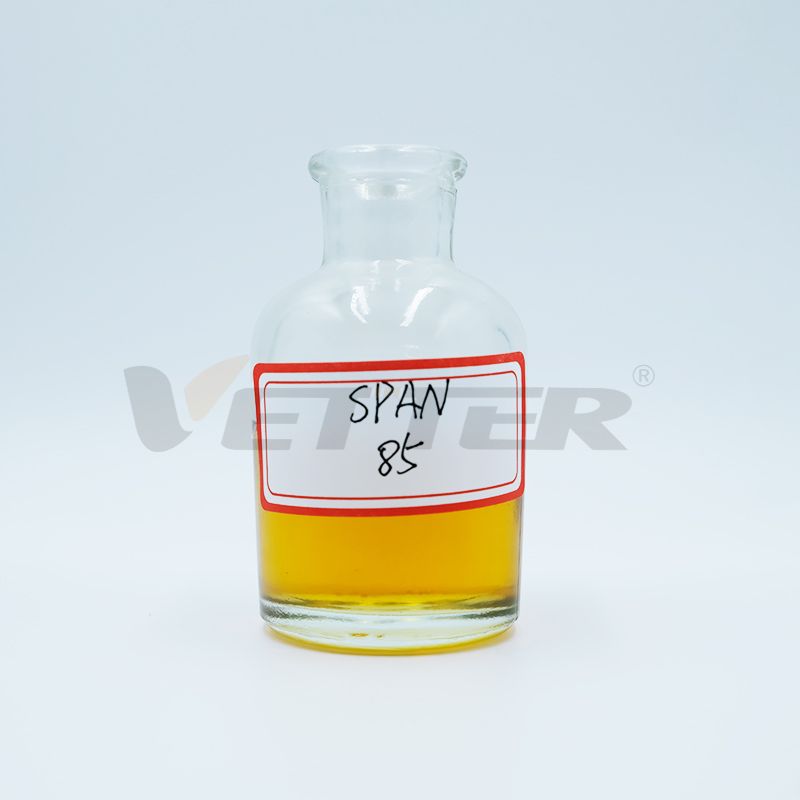
In the world of manufacturing and food production, Industrial Emulsifiers play a crucial role by providing stability to emulsions, which are mixtures of oil and water. The emergence of high-performance emulsifiers has dramatically transformed various industries by addressing pain points such as separation and texture inconsistency in products. In this article, we will explore how these emulsifiers enhance emulsion quality, delving into their mechanisms, applications, and significant advantages in different sectors.

Industrial Emulsifiers are substances that stabilize emulsions by reducing the surface tension between the oil and water phases, allowing them to mix more effectively. These emulsifiers are typically surfactants or surface-active agents that can be categorized into three groups: anionic, cationic, and nonionic emulsifiers. According to a study published in the Journal of Food Science, high-quality emulsifiers can decrease the surface tension of oil-water mixtures significantly, from approximately 72 mN/m down to as low as 28 mN/m. This reduction enhances the stability and texture of products, making emulsifiers essential for manufacturers in various industries.
Industrial Emulsifiers are utilized across several sectors, including:
By stabilizing emulsions, industrial emulsifiers not only improve product quality but also optimize production efficiency and reduce waste.
The importance of using high-performance Industrial Emulsifiers cannot be overstated. Some of the key advantages include:
The significance of these advantages makes emulsifiers indispensable across multiple markets.
To gain a deeper understanding of Industrial Emulsifiers and how they can enhance your products, consider reading user guides, consulting with industry experts, or testing various emulsifier formulations. For example, the VETTER brand offers a range of high-quality emulsifiers that have been shown to improve the performance and quality of emulsions.
1. What types of emulsifiers are available? There are three primary types: anionic, cationic, and nonionic emulsifiers, each serving different purposes based on the product requirements.
2. Can I use emulsifiers in home cooking? Yes! Many common kitchen ingredients serve as natural emulsifiers, such as egg yolks in mayonnaise or mustard in salad dressings.
3. How do emulsifiers work? Emulsifiers work by reducing the surface tension between water and oil, allowing the two to mix and remain stable over time.
In conclusion, Industrial Emulsifiers are essential components in various industries, significantly impacting product quality, stability, and efficiency. For those interested in experimenting with emulsifiers, brands like VETTER offer reliable options that can enhance emulsion quality. By understanding their role and capabilities, businesses can make informed decisions to elevate their product offerings.