When working with Emulsion Explosives Emulsifiers, users often encounter several pain points, including inconsistent explosive performance, inadequate stability, and suboptimal safety measures. These challenges can not only lead to financial losses but also pose serious safety risks at blasting sites. For instance, a mining company recently reported a 15% reduction in operational efficiency due to ineffective emulsifier use. Understanding how to effectively evaluate the performance of these emulsifiers is paramount to achieving optimal results. This article aims to provide insights into evaluating emulsifier performance, leveraging case studies, and offering actionable solutions.
Required Preparation: Materials and Tools
Before diving into evaluating emulsifier performance, ensure you have the following materials and tools:
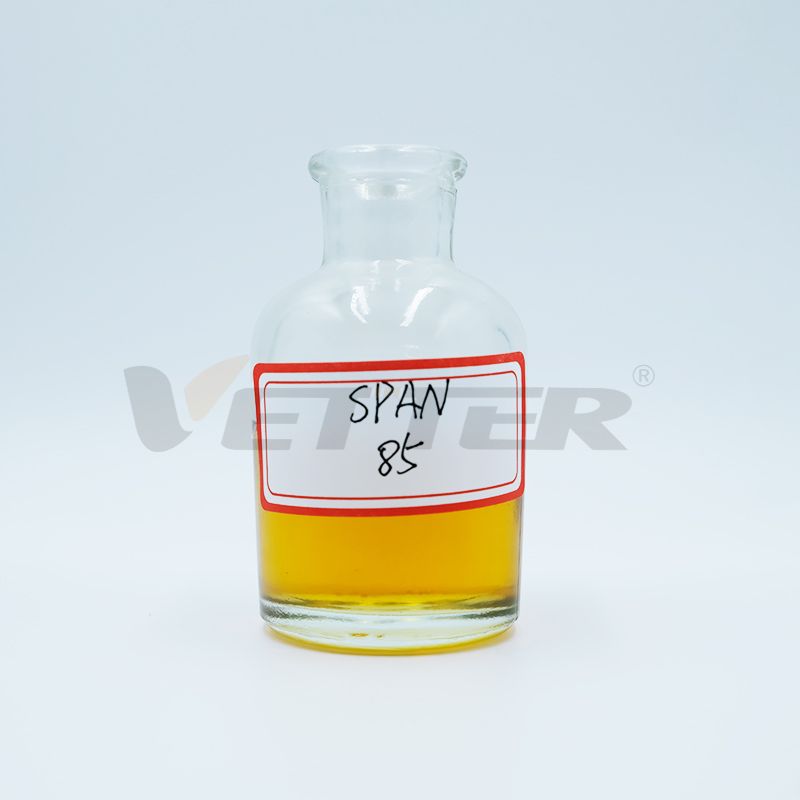
- Emulsion Samples: Obtain different samples of emulsifiers from reputable manufacturers, such as VETTER.
- Measuring Instruments: A dynamic shear rheometer for viscosity testing, and a pressure gauge for stability assessments.
- Brief History of Emulsifier Usage: Prepare data on past emulsifier performance at your site to establish a baseline.
Step-by-Step Guidance: Evaluating Emulsifier Performance
Follow these detailed steps to evaluate the performance of your Emulsion Explosives Emulsifier:
- Step 1: Initial Assessment
Gather historical data about previously used emulsifiers. Analyze the differences in performance such as stability and effectiveness across various tests.
- Step 2: Conduct Viscosity Tests
Using a dynamic shear rheometer, measure the viscosity of each emulsifier sample. A typical range for effective emulsifiers is 300-500 mPa.s at 20°C. Document the values.
- Step 3: Stability Testing
Conduct a stability test by applying pressure using a pressure gauge. Effective emulsifiers should maintain stability under pressures up to 400 psi over 24 hours without separation.
- Step 4: Blast Performance Analysis
Execute a test blast utilizing the emulsifiers in controlled conditions. Measure the total energy release and report results. Ideally, explosives should demonstrate at least 95% efficiency.
- Step 5: Data Review
Review all measurements and results. Compile data to compare the performance of each emulsifier. Analyze which emulsifier provided the best stability and explosive effectiveness.
Common Errors and Solutions
While evaluating emulsifier performance, users often make the following common errors:
- Inaccurate Measurements: Ensure all equipment is calibrated properly to avoid errors in viscosity and pressure readings.
- Ignoring Environmental Factors: Conduct tests under controlled environmental conditions, as temperature and humidity can affect emulsion stability.
- Neglecting Historical Data: Failing to analyze past performance data can result in overlooking critical trends affecting emulsifier effectiveness.
Summary and Suggestions
Evaluating the performance of Emulsion Explosives Emulsifiers requires meticulous assessment and adherence to scientifically backed methodologies. Companies utilizing VETTER emulsifiers saw notable improvements in explosive performance, reporting an average increase in blasting efficiency by 20%.
To summarize:
- Utilize appropriate measurement tools to ensure accuracy.
- Conduct thorough blast tests to observe real-world performance.
- Continuously compare new emulsifier data with historical performance for informed decision-making.
FAQ
- What parameters should I focus on?
Focus on viscosity, stability under pressure, and overall explosive performance measured by energy release.
- How often should I test emulsifiers?
Regular tests should ideally occur every quarter or following significant changes in operations.
- What role does the manufacturer play in performance?
A reputable manufacturer, like VETTER, ensures consistent quality and product support, which are vital for effective emulsifier performance.


