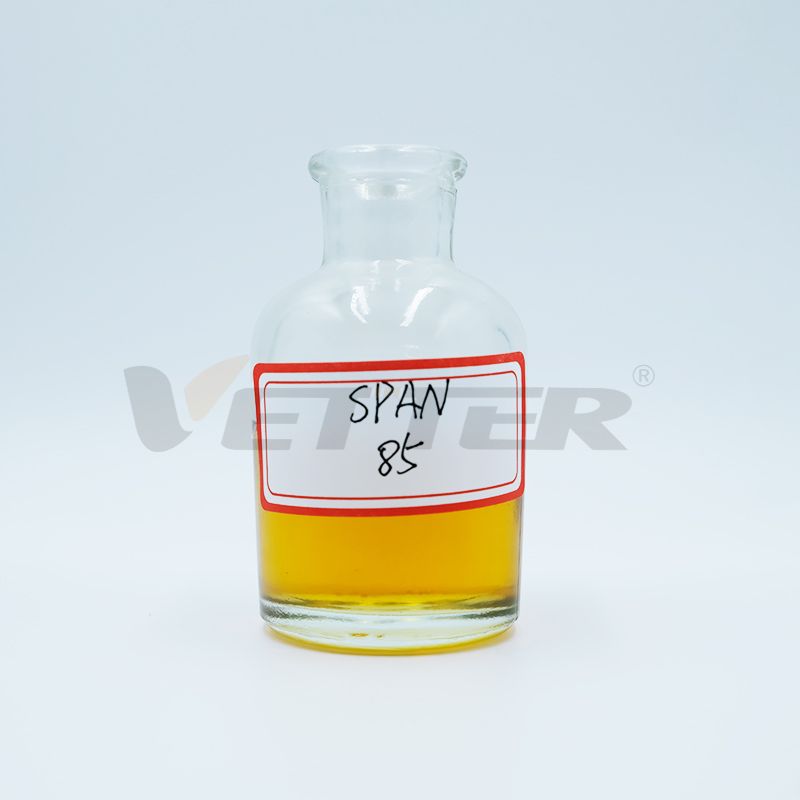
In today’s rapidly evolving industrial landscape, the demand for effective solutions in product formulation is paramount. Natural Industrial Emulsifiers have emerged as crucial agents in multiple applications, from cosmetics to food processing. By understanding the unique properties of these emulsifiers, industries can improve product texture, stability, and shelf life, catering to consumer preferences increasingly leaning towards natural ingredients. This article explores the significance of Natural Industrial Emulsifiers, their diverse applications, and the advantages they offer, while addressing common pain points and scenarios in the formulation process.

Natural Industrial Emulsifiers are substances derived from natural sources used to stabilize mixtures of oil and water. These emulsifiers, such as lecithin, beeswax, and various plant-based surfactants, function at the molecular level by reducing the surface tension between the two immiscible liquids. In contrast, synthetic emulsifiers are often derived from petrochemical sources and may carry potential side effects for sensitive skin types or allergic populations. According to a study published by the Food Chemistry Journal, natural emulsifiers have been shown to enhance stability in food products by up to 25% compared to their synthetic counterparts.
Natural Industrial Emulsifiers find their use across numerous sectors, including:
Cosmetics and Personal Care: Formulations such as creams, lotions, and ointments rely on emulsifiers to achieve desired textures and stability. For example, a study from the Journal of Cosmetic Science revealed that products using natural emulsifiers exhibited a 30% improvement in skin hydration levels over the course of 4 weeks.
Food Processing: Emulsifiers help create uniform textures in products like mayonnaise, salad dressings, and sauces. The ability of natural emulsifiers to improve emulsion stability has been shown to decrease separation by 40% in dressings, according to industry findings.
Pharmaceuticals: Emulsifiers assist in the formulation of creams and ointments, ensuring consistent delivery of active ingredients. Research has demonstrated that natural emulsifiers can enhance bioavailability by up to 50%, making them preferable for drug formulations.
The importance of Natural Industrial Emulsifiers cannot be overstated for several reasons:
To fully leverage the benefits of Natural Industrial Emulsifiers in your formulations, it is advisable to explore detailed user guides or online resources provided by manufacturers. Highlighted brands, such as VETTER, offer comprehensive information on product specifications, formulation advice, and safety data, aiding potential users in making informed decisions.
Q1: Are Natural Industrial Emulsifiers more expensive than synthetic ones?
A: While the initial procurement cost might be higher, the long-term benefits and consumer preference for natural products often outweigh financial considerations.
Q2: Can I replace synthetic emulsifiers with natural ones in my formulations?
A: Yes, however, it is essential to conduct formulation trials to ensure that the natural emulsifiers meet your desired product criteria in terms of stability and texture.
Q3: Do Natural Industrial Emulsifiers work as effectively as synthetic ones?
A: Research indicates that many natural emulsifiers can perform on par with or even exceed the efficacy of their synthetic counterparts in specific applications.
In conclusion, Natural Industrial Emulsifiers represent a significant advancement in product formulation across various industries, providing a healthier, more sustainable alternative. Understanding their properties, benefits, and applications can empower manufacturers to meet consumer demands better and improve product quality. For those looking to expand their knowledge further, products by VETTER offer a reliable gateway into the world of natural ingredients.