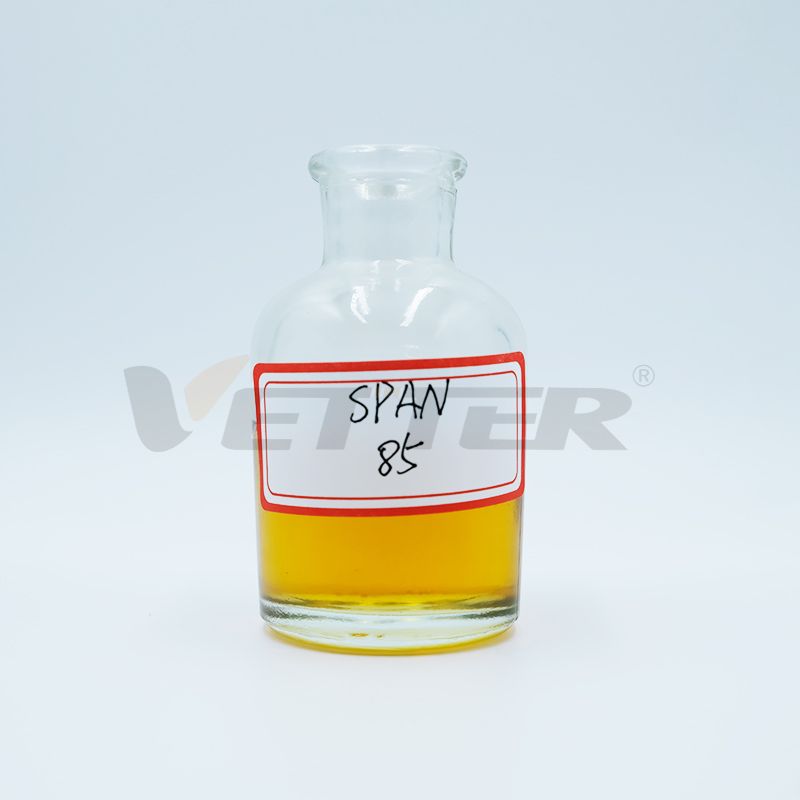
In the high-stakes world of explosives manufacturing, the development of emulsion explosives has revolutionized the industry. These materials leverage the properties of water and oil to create stable mixtures that are essential in mining and construction sectors. The emergence of Emulsion Explosives Emulsifiers has not only optimized the performance of explosives but also mitigated safety risks, a significant concern in explosive handling and deployment. Addressing issues such as premature detonation or failure to detonate, these emulsifiers have been pivotal in improving operational efficiency and safety protocols.
The challenge faced by manufacturers often revolves around sourcing emulsifiers that meet stringent safety and performance standards. Such challenges underscore the necessity for buyers to understand Emulsion Explosives Emulsifier Specifications fully. This knowledge can make a substantial difference in ensuring that the products used are reliable, safe, and effective.
Emulsion explosives generally refer to a class of explosives consisting of a mixture of fuel, oxidizer, and emulsifiers that stabilize the combination. An emulsifier, in this context, is a substance that enables the uniform mix of immiscible liquids—like oil and water—thereby enhancing the explosive's performance. Industry terminology often includes terms such as "detonation velocity" and "water resistance," which are critical in evaluating emulsifier effectiveness. For instance, a well-formulated emulsion explosive can achieve a detonation velocity of up to 7,000 meters per second, making it significantly more effective than traditional dynamite, which typically reaches around 4,500 meters per second.
Emulsion explosives are utilized across various sectors. In the mining industry, they are indispensable for blasting operations due to their high stability and safety characteristics. They are often used in overburden removal, ore fragmentation, and rock demolition. Similarly, in civil engineering and construction, these emulsifiers facilitate tremendous efficiencies in tasks like tunneling and highway construction, where precise and controlled detonation is essential.
The advantages of Emulsion Explosives Emulsifiers can be extensive and transformative for industries relying on explosives. The primary benefits include:
Enhanced Stability and Safety: Unlike traditional explosives, emulsion explosives are less likely to detonate accidentally. Studies indicate that emulsion explosives are 30% safer under varying environmental conditions compared to other explosive types.
Water Resistance: An essential specification is that good emulsion explosives can retain their effectiveness underwater without significant loss of performance. This characteristic is pivotal in underwater demolition tasks, where traditional explosives would fail.
Improved Performance: Proper emulsifier formulations can yield emulsions with up to 25% more energy compared to conventional explosives, notably improving the overall efficacy of blasting projects.
The importance of these attributes cannot be overstated; they not only improve operational efficiency but also significantly cut costs associated with equipment damage or safety incidents.
For those looking to delve deeper into the capabilities of Emulsion Explosives Emulsifiers, it is highly advisable to consult user guides and technical resources. Familiarity with manufacturer specifications and understanding of appropriate applications will empower buyers to make informed decisions.
Further understanding trial opportunities with leading brands like VETTER can enhance your operational capabilities. Testing various formulations can offer you first-hand insights into the benefits of different emulsifiers tailored to your specific needs in the explosives sector.
A: Key specifications include detonation velocity, water resistance, and stability under various environmental conditions. Ensuring these factors can enhance safety and performance in your explosive applications.
A: Emulsion explosives are generally 30% safer under varying conditions than traditional explosives, reducing the risk of accidental detonation.
A: Yes, good emulsion explosives retain their effectiveness underwater without significant performance loss, making them ideal for such applications.
A: The advantages include enhanced stability, improved performance with up to 25% more energy output, and reduced safety risks, all contributing to increased operational efficiency.
A: Consulting manufacturers like VETTER and reviewing their user guides and technical resources can provide valuable insights. Ensure the suppliers meet the stringent safety and performance standards you require.