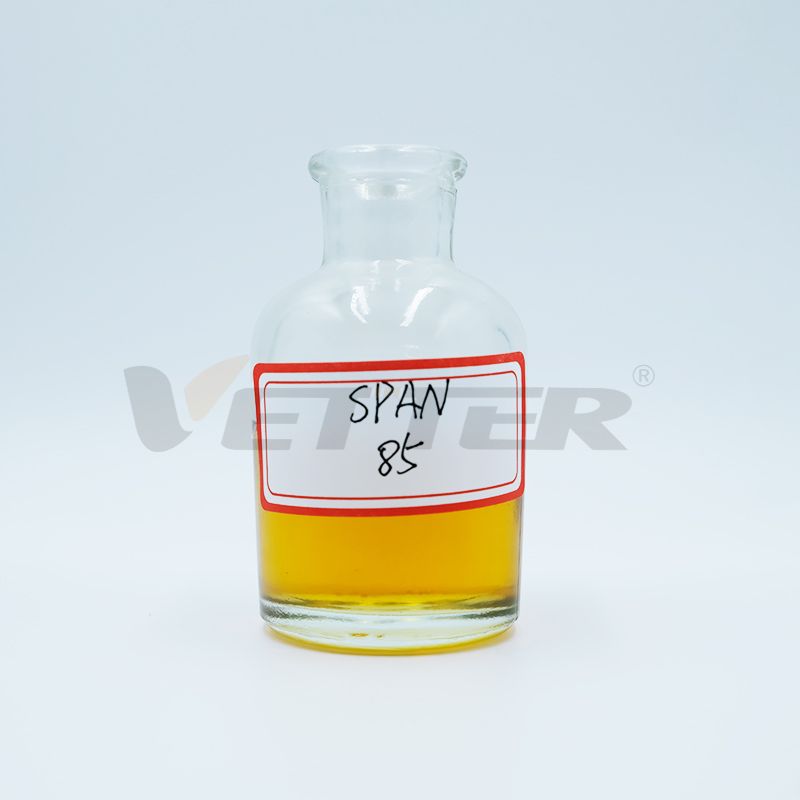
In the evolving field of chemical manufacturing, the significance of Emulsion Explosives Emulsifiers (EEE) cannot be overstated. These compounds play a crucial role in forming stable emulsions crucial for various applications, including mining, construction, and military operations. The demand for effective emulsifiers has surged due to the increasing safety standards and performance requirements in the industry. As manufacturers strive to improve the longevity and effectiveness of their emulsions, understanding the quality testing of these emulsifiers has become paramount. This article aims to explore the complexities surrounding Emulsion Explosives Emulsifier quality, troubleshoot common issues, and provide actionable insights into effective quality testing methodologies.

Emulsion Explosives Emulsifiers are surface-active agents that facilitate the formation and stabilization of emulsions, wherein two immiscible liquids, such as oil and water, are mixed. The industry relies on emulsifiers to control the particle size of the emulsified droplets, thereby ensuring maximum energy release during an explosion. Pertinently, the efficiency of an emulsion explosive is often a function of its formulation, which includes factors like viscosity, density, and the surfactant's hydrophilic-lipophilic balance (HLB). Research indicates that emulsifiers with an HLB value between 8 and 16 are optimal for water-resistant emulsion explosives (source: Journal of Hazardous Materials, 2020).
Emulsion Explosives Emulsifiers find extensive applications across various fields:
The importance of Emulsion Explosives Emulsifiers is underscored by several key advantages:
Understanding the quality testing of Emulsion Explosives Emulsifiers is vital for ensuring safety and effectiveness in their applications. Industry professionals should consult detailed user manuals and guides specific to their emulsifier brands. Companies like VETTER provide comprehensive documentation that outlines quality control measures, testing methodologies, and best practices for the formulation and application of emulsifiers.
1. What are the key quality control tests for Emulsion Explosives Emulsifiers? Quality control tests typically include viscosity measurement, stability determination, and particle size analysis, which ensures the emulsifier meets industry standards.
2. Why is the HLB value important? The HLB value determines how well an emulsifier can stabilize water and oil mixtures, which is critical for explosive efficiency.
3. How can I obtain VETTER products for my operations? You can visit the VETTER website or contact authorized distributors to explore their product range and obtain further assistance or trials.
Understanding Emulsion Explosives Emulsifier quality testing is crucial for industries that rely on these compounds for safety and efficacy. As processes evolve, so too must our knowledge around quality assurance. With the right resources and guidance, setup, and utilization of emulsifiers can lead to safer and more efficient operations across the board.
For more in-depth insights, consult product manuals and consider trying out VETTER emulsifiers, known for their exceptional stability and performance in various applications.