The use of Industrial Emulsifiers is vital for achieving the desired viscosity and texture in various products, ranging from food items to cosmetic formulations. Users often grapple with issues like inconsistent texture, separation during storage, or negative consumer feedback due to poor mouthfeel. Understanding emulsifiers not only streamlines production but also enhances product performance, resulting in better market reception. In this article, we will explore how emulsifiers affect viscosity and texture, drawing on real-life examples and expert insights.
The Challenges Faced by Manufacturers in Achieving Optimal Viscosity with Industrial Emulsifiers
Many manufacturers encounter significant hurdles when trying to maintain the desired viscosity of their products. The primary pain points include:
- Separation: Ingredients in formulas can separate, leading to an unappealing appearance and texture.
- Texture issues: Products may feel grainy or overly thick, which can deter consumers.
- Chemical instability: Formulations may not hold up under various conditions, affecting shelf life.
VETTER offers industrial emulsifiers designed to tackle these challenges effectively. By using high-quality emulsifiers, you can achieve a homogeneous mixture with a controlled viscosity that enhances customer satisfaction.
Required Preparation: Materials and Tools
To leverage the benefits of emulsifiers, you’ll need the following materials and tools:
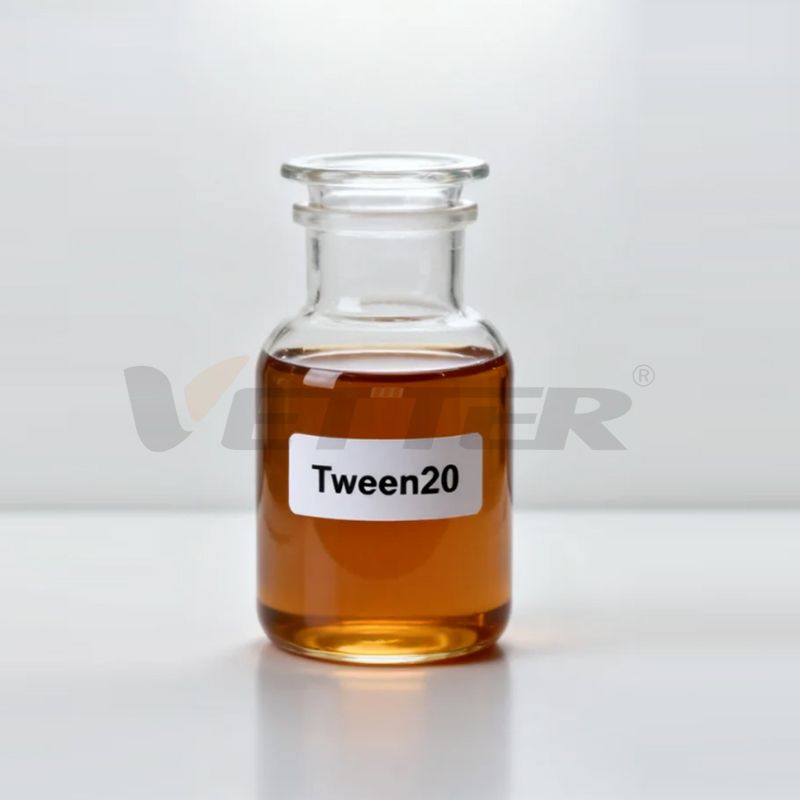
- Industrial Emulsifiers: Choose options like lecithin or polysorbate, which have been proven to significantly impact viscosity.
- Mixing Equipment: High-shear mixers and homogenizers that create uniform emulsions.
- Viscometers: To consistently measure the viscosity of your emulsions.
Step-by-Step Guidance on Using Emulsifiers for Optimal Viscosity
- Select the Right Emulsifier: Choose an emulsifier based on your specific requirements. For instance, polysorbate 80 is well-suited for cream-based products, while soy lecithin works well in food applications.
- Determine the Concentration: Start with a concentration of 0.5% to 5%, depending on the product type. Higher concentrations can lead to undesirable viscosity.
- Mix Thoroughly: Use a high-shear mixer to blend the emulsifier evenly with the liquid components. This ensures that the emulsifier interacts effectively with the oils and water.
- Measure Viscosity: Utilize a viscometer to measure the viscosity of your emulsion. Target a viscosity range, for example, 100-200 mPa·s for sauces, to ensure quality.
- Test for Stability: Place samples in varying temperature conditions for at least a week to test stability. Check for separation or texture changes to evaluate the effectiveness of your emulsifier.
Common Errors in Using Industrial Emulsifiers and Solutions
While using emulsifiers, users often make mistakes that compromise product quality. Here are some common errors and their solutions:
- Using Incorrect Emulsifier Type: Each emulsifier has unique properties. Ensure to match your emulsifier to your product’s specific needs.
- Inconsistent Mixing: Failing to homogenize properly can lead to inconsistencies. Always utilize appropriate mixing equipment.
- Neglecting Environmental Factors: Temperature and pH can affect emulsifier performance. Always test under varying conditions.
Summary and Suggestions
Achieving the right viscosity and texture in industrial products is contingent upon the careful selection and application of emulsifiers. Brands like VETTER can aid in this process by providing high-quality emulsifiers optimized for your specific needs. Remember that meticulous testing and consistent quality control can lead to remarkable improvements in product acceptance and consumer satisfaction.
FAQs
What are industrial emulsifiers used for?
Industrial emulsifiers are utilized to stabilize mixtures of oil and water, improve viscosity, and enhance texture in various products, including food and cosmetics.
How do I determine the right emulsifier for my product?
The choice of emulsifier depends on your formulation's specific requirements, including ingredients, desired viscosity, and the final product's application.
Can I use multiple emulsifiers in one formulation?
Yes, using a blend of emulsifiers can optimize effectiveness and achieve the desired texture and stability in complex formulations.


