Sourcing industrial emulsifiers in bulk involves several cost factors that manufacturers must consider to maximize efficiency and budget adherence. As the demand for reliable emulsifiers grows across various industries, understanding these cost components becomes crucial for informed decision-making. This guide will delve into the critical aspects influencing the cost factors when sourcing industrial emulsifiers, helping stakeholders in the industry strategize effectively.
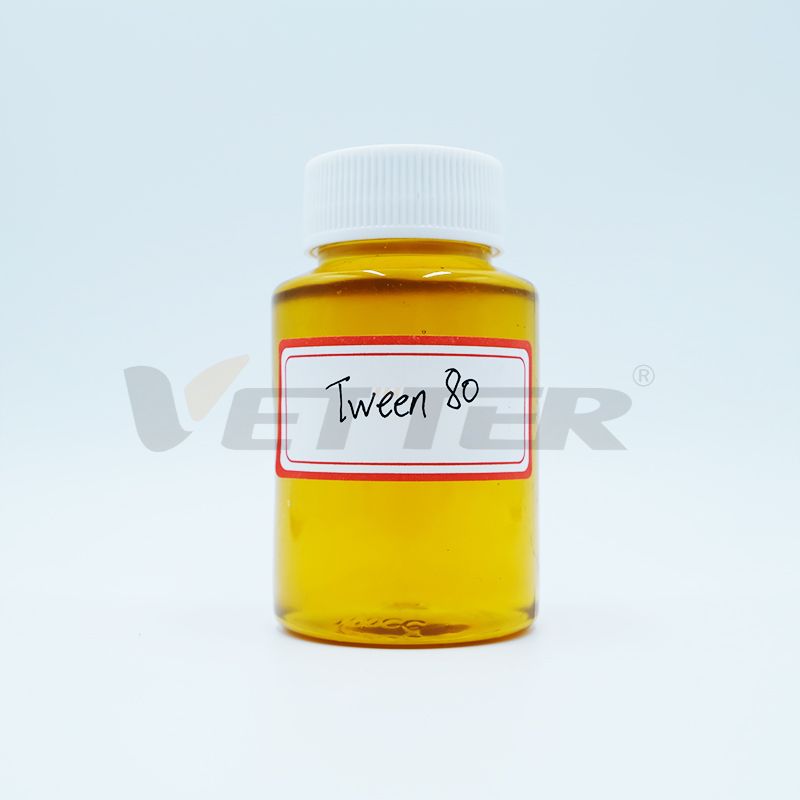
Main Cost Factors in Sourcing Industrial Emulsifiers
When considering the procurement of industrial emulsifiers, several cost factors come into play that can significantly influence the overall budget. These comprise:
- Raw Material Costs: The base ingredients used to create emulsifiers fluctuate based on availability and market demand. Variations in crude oil prices, for instance, can directly affect the cost of many emulsifiers.
- Manufacturing Process: The method of production has implications on the energy consumption, labor costs, and overall efficiency, impacting the final price per unit.
- Transportation and Logistics: Costs related to shipping can vary depending on the distance to the manufacturing site and the mode of transportation, creating a significant cost factor in bulk sourcing.
- Market Demand and Supply: Price fluctuations can occur due to seasonal changes or shifts in policy that influence production levels, impacting the cost of sourcing.
- Regulatory Compliance: Ensuring that the sourced emulsifiers meet industry regulations may entail additional costs related to certification and testing.
Breakdown of Costs
| Cost Factor |
Description |
Potential Impact on Budget |
|---|
| Raw Material Costs |
Variability based on ingredient prices |
±20%-30% of total costs |
| Manufacturing Process Cost |
Equipment and labor expenses |
15%-25% increase possible |
| Transportation Costs |
Shipping fees and logistics considerations |
10%-15% of total costs |
| Market Demand & Supply |
Seasonal variability affecting prices |
5%-20% fluctuation |
| Regulatory Compliance |
Certification and testing costs |
Additional 5%-10% commonly |
Key Considerations and Best Practices for Sourcing Emulsifiers
When navigating the complexities of sourcing industrial emulsifiers, it’s critical to adhere to best practices that can mitigate risks and manage costs effectively.
- Conduct Thorough Market Research: Investigating suppliers and comparing prices can lead to better deals. Keeping abreast of industry trends helps anticipate price fluctuations.
- Establish Long-Term Relationships with Suppliers: Building solid partnerships can lead to better pricing and terms. Suppliers are more likely to offer discounts to reliable customers.
- Evaluate Quality vs. Cost: While it’s tempting to opt for the least expensive option, the quality of emulsifiers can significantly affect the end product. Prioritize quality to ensure overall cost-effectiveness in production.
Why Use Industrial Emulsifiers?
Industrial emulsifiers are crucial as they stabilize mixtures of oil and water, enhancing product performance in various applications such as food, cosmetics, and pharmaceuticals. Below are a few compelling reasons to utilize these emulsifiers:
- Improved Texture and Consistency: Emulsifiers help create a uniform texture in products, increasing consumer satisfaction.
- Enhanced Shelf Life: By preventing the separation of ingredients, emulsifiers help extend product longevity, equating to cost savings in inventory management.
- Increased Product Functionality: Emulsifiers enhance the performance of active ingredients, improving overall efficacy and consumer appeal.
What Are the Cost Factors When Sourcing Industrial Emulsifiers?
The cost factors when sourcing industrial emulsifiers can be diverse, involving various elements ranging from raw material prices to logistics. Here, we clarify these cost factors further:
- Economies of Scale: Larger purchase volumes often result in lower per-unit costs, so manufacturers must weigh their needs against potential savings.
- Currency Fluctuations: For companies sourcing materials globally, exchange rates can substantially impact costs. A strong domestic currency may provide more purchasing power but can fluctuate quickly.
- Storage and Handling Costs: Bulk purchases often require additional storage solutions, which can inflate costs if not planned appropriately.
Alternatives to Industrial Emulsifiers
In certain applications, alternatives to traditional industrial emulsifiers can be viable. Some examples include:
- Natural Emulsifiers: These might be derived from soy lecithin or vegetable oils, serving as lower-cost options, albeit often with varying efficacy.
- Polymeric Emulsifiers: Offering specific performance features, these can be an alternative for certain specialized applications, often at a higher cost.
While considering alternatives, it is essential to evaluate performance against pricing to ensure quality is not compromised.
Is Sourcing Industrial Emulsifiers Worth It?
When evaluating whether sourcing industrial emulsifiers is a worthy investment, companies should consider:
- Return on Investment (ROI): Examine how emulsifiers contribute to product quality and end-user satisfaction, which can translate into higher sales.
- Cost Savings Over Time: Effective emulsifiers can lower production costs through reduced waste and increased efficiency.
How to Choose Industrial Emulsifiers
Choosing the right industrial emulsifier involves several strategic considerations:
- Specific Application Needs: Identify the particular requirements of the product being developed and select emulsifiers accordingly.
- Testing Samples: Always request samples for testing before committing to a bulk order to ensure compatibility and performance exceed expectations.
Conclusion
In summary, understanding the cost factors when sourcing industrial emulsifiers allows companies to make informed decisions that align with their budget and production needs. Whether assessing raw material costs or evaluating supplier options, maintaining a strategic approach will enhance operational efficiencies and ultimately profit margins. By implementing best practices and staying informed about market dynamics, manufacturers can navigate the complexities of sourcing emulsifiers effectively.
Key Takeaways
- Market Dynamics: Stay abreast of market trends that can impact costs.
- Long-Term Supplier Relationships: Cultivate partnerships for favorable pricing.
- Quality Over Price: Always prioritize product quality to ensure overall value.
- Cost Factors: Understand that multiple elements influence sourcing costs, from raw materials to logistics.
For manufacturers eager to optimize their emulsifier sourcing strategy in bulk, it’s essential to regularly assess evolving market conditions and supplier relationships, ensuring alignment with operational goals and market demand.
FAQ
Q: What key factors should we consider when sourcing industrial emulsifiers?
A: When sourcing industrial emulsifiers, consider raw material costs, manufacturing processes, transportation logistics, market demand, and regulatory compliance as these significantly impact overall budgeting.
Q: How can we reduce costs when purchasing emulsifiers in bulk?
A: Establishing long-term relationships with suppliers and conducting thorough market research can lead to better pricing and favorable terms, ultimately reducing costs.
Q: What is the impact of market demand on the pricing of emulsifiers?
A: Market demand can lead to price fluctuations, particularly influenced by seasonal changes or regulatory shifts, which might cause prices to vary by 5% to 20%.
Q: How do regulatory compliance costs affect sourcing emulsifiers?
A: Ensuring compliance with industry regulations may incur additional costs for certification and testing, typically adding another 5% to 10% to the total sourcing costs.
Q: Can you provide samples for testing before bulk orders of emulsifiers?
A: Yes, we recommend requesting samples for testing to ensure the emulsifiers meet your specific application needs and performance expectations before committing to a bulk order.


