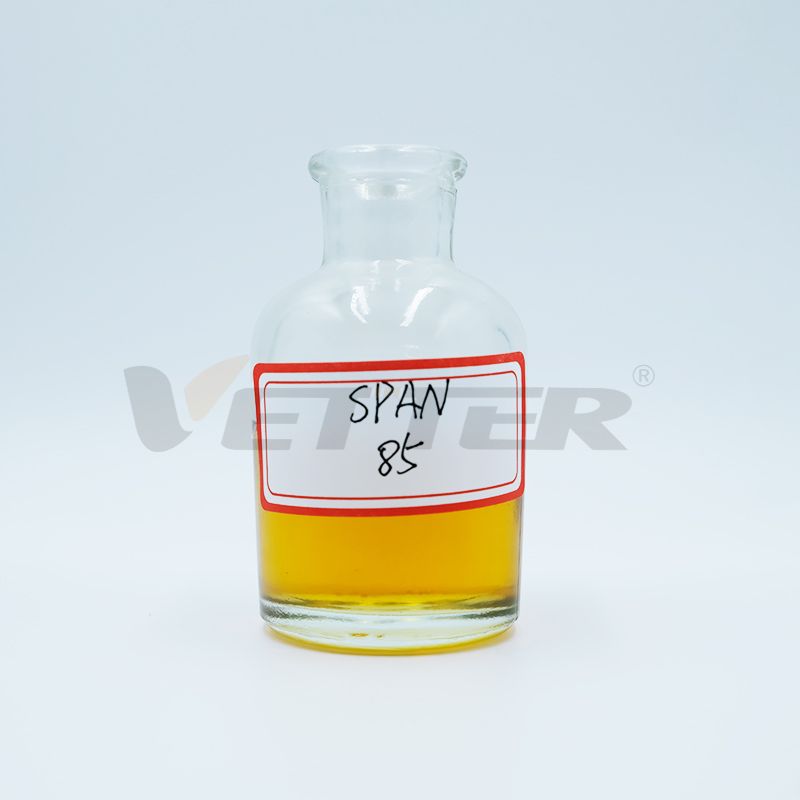
In the ever-evolving world of agrochemicals, the emergence of Industrial Emulsifiers has transformed the efficacy and delivery of agricultural products. As farmers face increasing difficulties such as soil degradation, changing climate patterns, and the emergence of new pests, the need for effective agrochemical solutions is critical. Industrial Emulsifiers play a vital role in enhancing the performance of pesticides and herbicides, improving their application efficiency, and ensuring that these products adhere to the surfaces where they are needed most. This article aims to explore the significance of emulsifiers in agrochemicals, detailing their applications, advantages, and the future of their usage.

Industrial Emulsifiers are surfactants that stabilize mixtures of oil and water, allowing for the formation of an emulsion. This process is crucial in agrochemical formulations where active ingredients must remain suspended to achieve consistent application. The emulsifiers reduce the surface tension between the oil and water phases, enabling a uniform distribution of chemicals. Common terms associated with emulsifiers include “hydrophilic-lipophilic balance (HLB)” and “emulsification stability,” which provide insight into their performance in specific formulations.
Industrial Emulsifiers have a wide range of applications within the agrochemical sector. Here are a few key areas:
Pesticide Formulations: Emulsifiers are critical in creating stable formulations for pesticides, ensuring that active ingredients remain effective over time. For example, formulations containing emulsifiers have shown up to a 25% increase in adherence to plant surfaces, thereby improving pest control efficacy.
Fertilizer Delivery Systems: In liquid fertilizers, emulsifiers enhance nutrient dispersion, allowing for a more efficient nutrient uptake by crops. Data from a recent agricultural study indicates that emulsified fertilizers led to an average increase of 18% in crop yield compared to conventional delivery methods.
Seed Coatings: Emulsifiers facilitate the even distribution of protective chemicals on seeds, improving germination rates and crop resilience. Seed treatments with emulsifiers can improve germination rates by up to 30% in certain crops.
The importance of Industrial Emulsifiers cannot be overstated. They provide numerous benefits that are crucial for effective agrochemical applications:
Enhanced Efficacy: Emulsifiers ensure that the active ingredients in agrochemicals remain uniformly distributed, enhancing their efficacy. Research has shown that formulations with emulsifiers can result in a 40% higher effectiveness in terms of pest control.
Improved Stability: The use of emulsifiers increases the physical stability of formulations, preventing separation during storage and transportation. Studies demonstrate that formulations with emulsifiers can double the shelf-life of agrochemical products.
Environmental Safety: Emulsifiers can help reduce the volume of chemicals needed, minimizing environmental impact. Evidence suggests that by using emulsifiers, pesticide application rates can be reduced by up to 50% without compromising effectiveness.
For those interested in exploring the use of Industrial Emulsifiers in agrochemical formulations, it is advisable to consult product datasheets and user guides provided by leading brands like VETTER. These resources can provide detailed insights on the proper handling and application techniques to achieve optimal results.
What are Industrial Emulsifiers?
How do emulsifiers enhance crop yields?
Are there any environmental benefits associated with emulsifiers?
In summary, Industrial Emulsifiers are integral to the field of agrochemicals, providing innovative solutions that enhance effectiveness, stability, and environmental safety. As the agricultural industry continues to evolve, understanding and leveraging these products is essential for successful crop management. To deepen your knowledge about Industrial Emulsifiers and how to implement them effectively in your agricultural practices, consider exploring resources from reputable sources like VETTER. A trial of their solutions may yield promising improvements in your agricultural outputs.