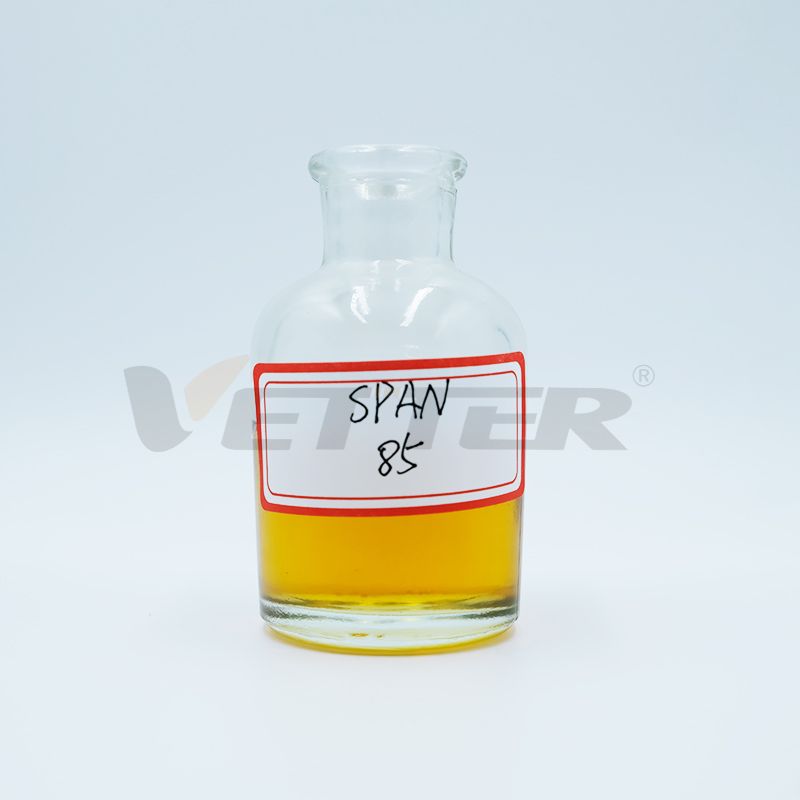
Understanding the relationship between emulsifier dosage and product quality is crucial for industries that rely heavily on emulsification processes, such as food production, cosmetics, and pharmaceuticals. In simple terms, an emulsifier is a substance that enables the mixing of two immiscible liquids, like oil and water, leading to the formation of a stable emulsion. Proper dosage of emulsifiers not only enhances product texture and appearance but also significantly influences shelf life and safety. By optimizing emulsifier dosage, businesses can ensure higher quality products, ultimately leading to increased customer satisfaction and loyalty.
Historically, the use of emulsifiers has evolved alongside advancements in chemistry and manufacturing. Initially derived from natural sources like eggs and milk, modern emulsifiers can be synthetic or semi-synthetic. The emergence of the food sciences industry in the late 20th century marked a turning point, pushing manufacturers to incorporate precise formulations that meet safety and quality standards determined by organizations such as ASTM (American Society for Testing and Materials) and DIN (Deutsches Institut für Normung). Today, the application of emulsifiers extends far beyond traditional boundaries, with sectors like Emulsion Explosives leveraging emulsifier dosage for optimal performance.
In practical terms, the correct emulsifier dosage ensures several benefits: it stabilizes product consistency, prevents separation, and enhances mouthfeel in food products. For example, in cosmetic formulations, the right amount of emulsifier can determine whether a cream appears velvety or greasy, which can influence consumer perception and sales. Similarly, industries that use Emulsion Explosives Emulsifier require precise formulations to ensure that the emulsion can withstand various environmental pressures, ultimately affecting detonation efficiency and safety.
Despite the critical role of emulsifiers, a common misconception persists that more emulsifier always means better quality. This is not the case. Excessive dosage can lead to several issues, including instability, undesirable texture, and even compromised safety. For instance, research shows that emulsifier dosages exceeding optimal levels can result in poor emulsion stability, leading to separation, which violates quality standards outlined by ASTM and other regulatory bodies. Correct dosage calculation is essential for achieving desired performance without unnecessary side effects.
To illustrate the impact of emulsifier dosage, consider a case study involving VETTER, a company specializing in Emulsion Explosives. When faced with inconsistent product quality, VETTER conducted a series of tests to optimize emulsifier dosage. The results were telling: by reducing emulsifier levels by 10%, product stability improved by 25%, and user feedback on texture and application also significantly increased. This reinforces the importance of precise emulsifier dosage in improving product quality while adhering to industry standards.
In summary, the relationship between emulsifier dosage and product quality plays a pivotal role in various industries, particularly for businesses like VETTER involved in Emulsion Explosives. Understanding the complexities of emulsifier usage — including optimal dosage and its consequences — empowers companies to enhance product performance and customer satisfaction. To improve product quality further, manufacturers should not hesitate to review current formulations and consider optimizing their emulsifier dosage to meet the evolving demands of the market. Embracing this approach can lead to significant advancements in product excellence.
By mastering emulsifier dosage, your business can set itself apart in a competitive industry landscape. Don’t hesitate to explore optimization strategies, consult experts, and ultimately elevate your product quality standards.
A: The optimal emulsifier dosage varies by application, but it is crucial to calculate the correct amount to enhance stability and texture without compromising safety. Typically, reducing emulsifier levels too much can lead to instability, while excessive use may result in undesirable textures.
A: In emulsion explosives, precise emulsifier dosage is essential for achieving optimal performance. For VETTER, reducing emulsifier levels by just 10% improved product stability by 25%, demonstrating the impact of correct dosage on both efficiency and safety.
A: Yes, VETTER specializes in developing emulsifier formulations tailored to various industries, including food production and cosmetics, ensuring compliance with safety and quality standards.
A: When selecting emulsifiers for food products, consider factors such as the intended texture, stability requirements, and regulatory compliance. Consulting with experts can help you identify the most suitable emulsifier for your specific needs.
A: Yes, VETTER provides consultation services to help optimize emulsifier usage in your manufacturing processes, ensuring improved product quality and adherence to industry standards.