Emulsion explosives are water-resistant, highly stable, and typically consist of an oxidizer and a fuel emulsified within a continuous aqueous phase. This chemical composition makes them suitable for various applications, including mining and construction.
Transporting emulsion explosives requires adherence to stringent safety regulations, including labeling, packaging, and vehicle specifications to prevent hazardous incidents.
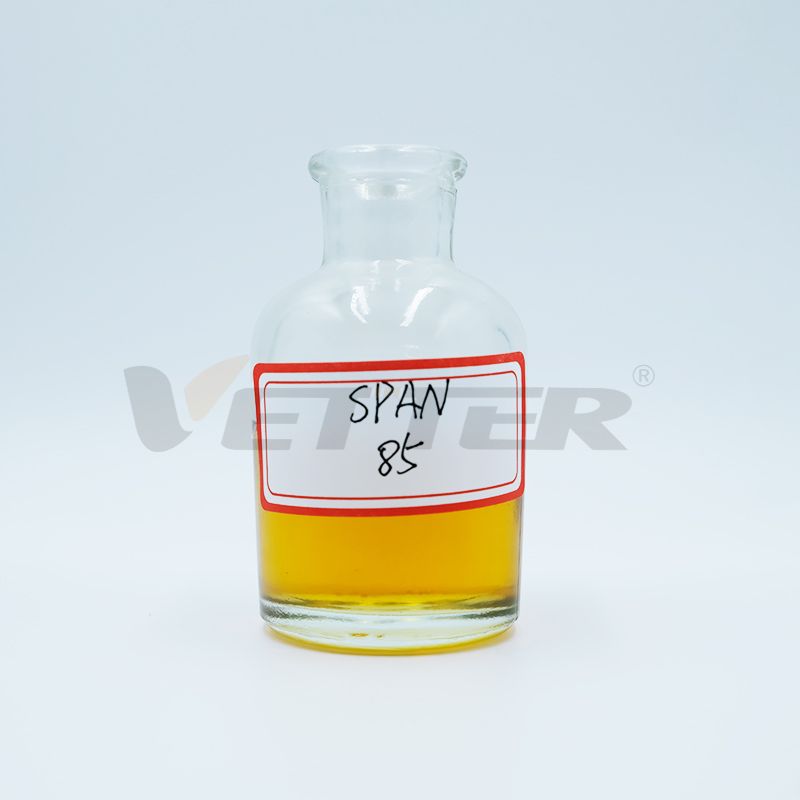
Emulsifiers enhance the stability of emulsion explosives by preventing the separation of the water and oil phases, ensuring the explosive remains uniform during transport.
When selecting an emulsifier, consider factors such as compatibility with the explosive formulation, temperature stability, and potential environmental impact. Common emulsifiers include:
Ensure all components are accurately measured and mixed. Include:
Conduct tests to assess the stability and performance of the emulsion. Key tests include:
Use approved containers that can withstand the conditions during transit. Ensure labeling complies with local and international regulations.
Ensure the transport vehicle is equipped with safety features and meets regulatory requirements, including:
Train all personnel involved in the transport of emulsion explosives on safety protocols, emergency procedures, and handling of materials.
Follow standard operating procedures for the transportation of hazardous materials. This includes route planning, communication, and coordination with emergency services.
Failure to comply with transport regulations can lead to legal repercussions and accidents.
Skipping quality control tests can result in unstable emulsion formulations, leading to dangerous situations.
Lack of training can result in mishandling of emulsion explosives. Ensure continual training and communication among teams.
Ensuring the safety of emulsion explosives during transport is crucial for minimizing risks and adhering to regulations. By utilizing emulsifiers effectively, following a comprehensive transport guide, and avoiding common pitfalls, organizations can enhance safety in their operations. For reliable emulsifiers, consider our company, VETTER, as your trusted partner in the transport of emulsion explosives.